7 questions your website should answer as a service-based biz
6/24/26
web design
7 questions your website should answer as a service-based biz
if someone has to play detective to figure out what you do, your website isn’t doing its job
It’s no secret that I’m all for a well-designed, beautiful website — hi, I’m a designer after all — but at the end of the day, if you’re a service-based business, your website really has one job: help the right people quickly figure out if working with you makes sense. We can design beautiful sites all day long. The colors are going to be gorgeous, the fonts will be vibey, the layout is going to be chef’s kiss, but if your copy is confusing at best and missing at worst, there’s only so far good design will take you. And spoiler: Your copy + design go pretty hand in hand. When someone has to work too hard to understand what you do or whether it’s for them, they won’t. They’ll simply move on.
Your branding and website might catch someone’s eye, but your messaging and site copy are what keep them reading and moving toward booking. When those things all work together, your website can transform into what it’s meant to be — a sales tool for your services.
With that in mind, here are seven key questions your website should answer quickly and clearly for site visitors, and one that miiiiiiight make sense for your business, too.
1. What exactly do you do?
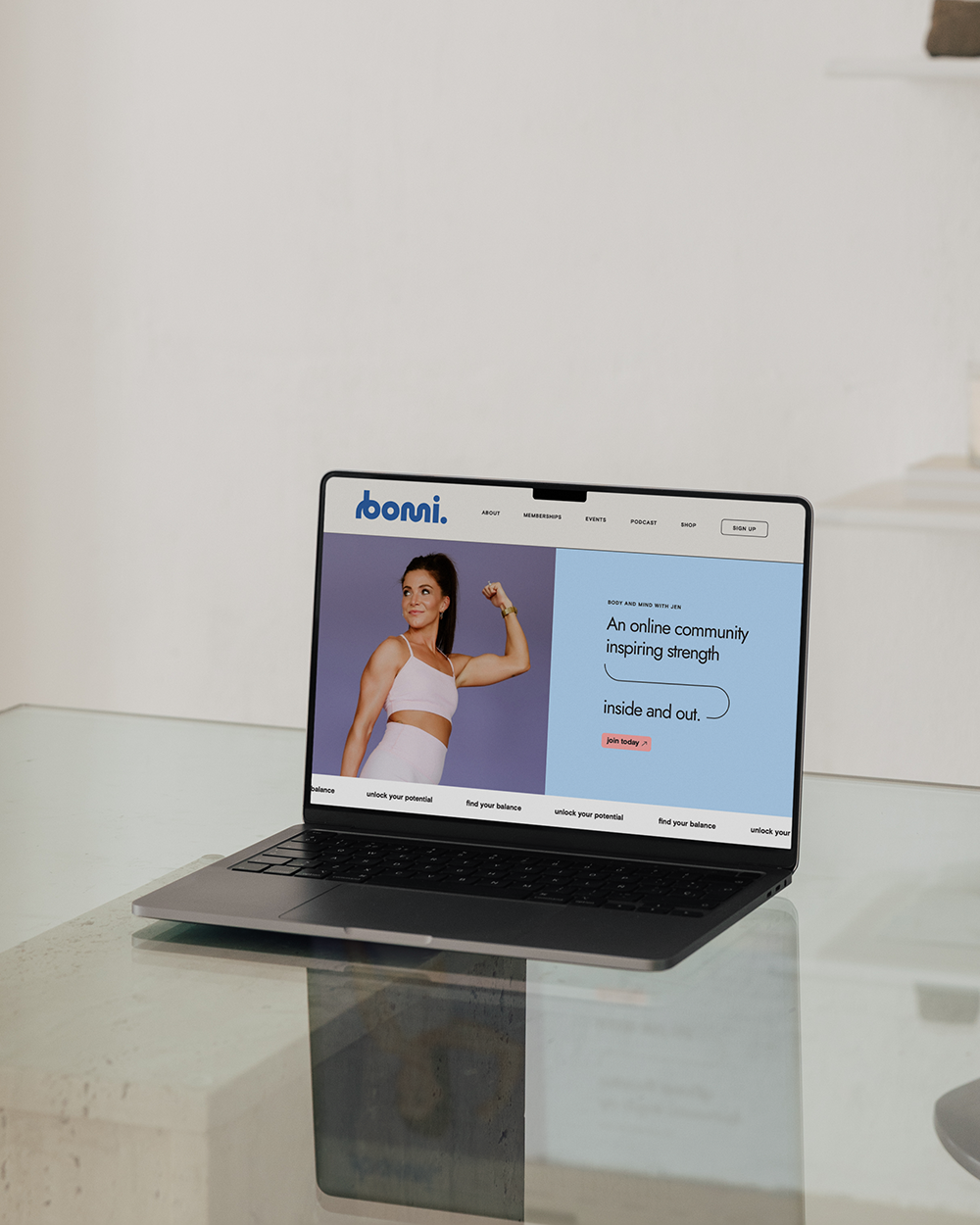
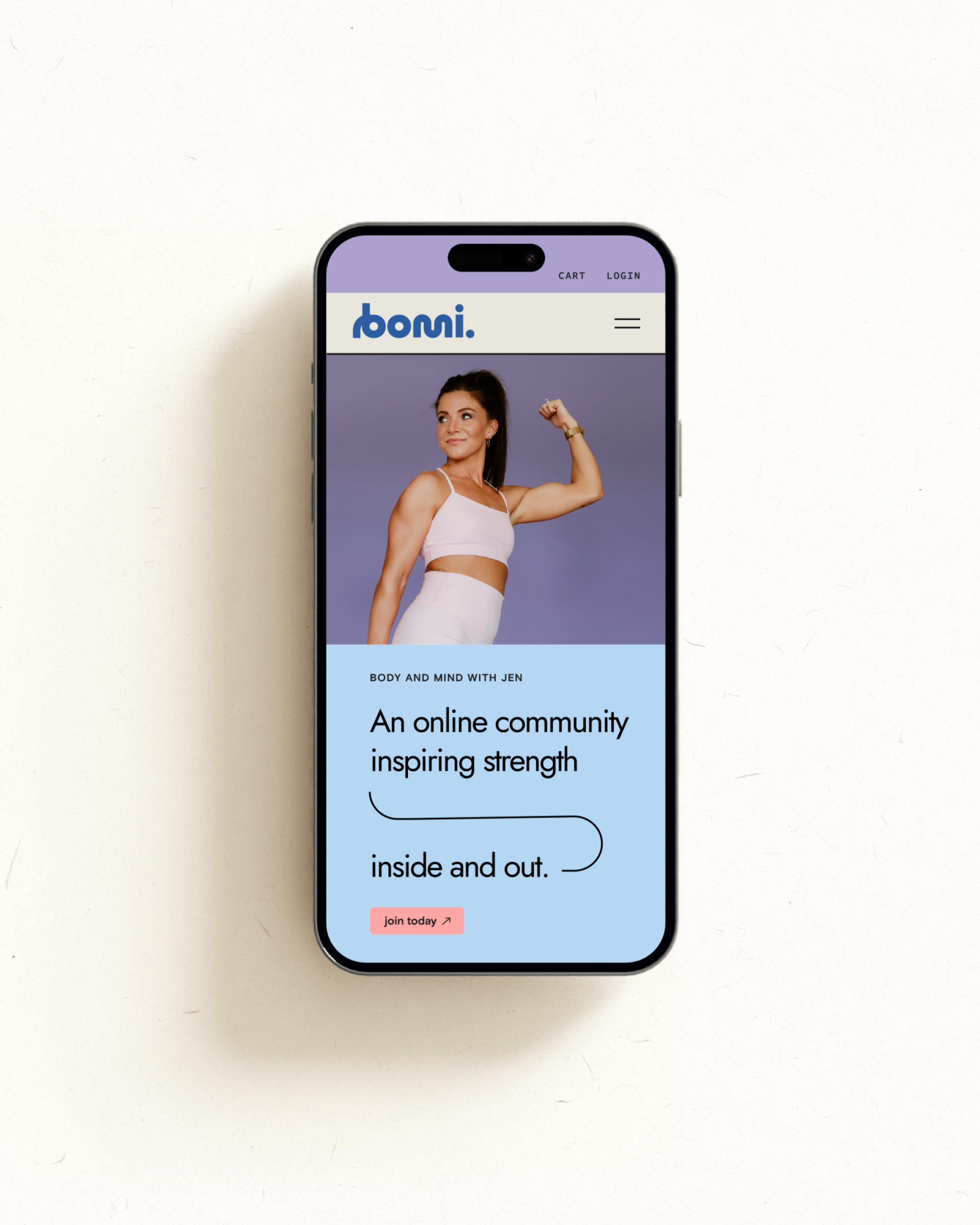
This might seem obvious, but you’d be surprised how many websites bury the lead. I love a good tagline, truly, but visitors shouldn’t have to decode clever taglines to figure out what you actually do. The very first section on your website is primmmmme real estate, and it’s where you should share at a high level what your business does.
If you have a tagline that helps convey what you do, by all means, use that bad boy here. Otherwise, opt for a headline and supporting copy or subhead to pair a tagline with a descriptive sentence, letting people know what the heck it is you actually do. Regardless, within a few seconds of landing on your site, it should be crystal clear what problem you solve or what kind of services you offer.
We love a clever moment, but keeping things clear is going to win every single time. When someone can immediately understand how you help without having to click through multiple pages or scroll for ages, they’re far more likely to keep exploring (or even book your services) instead of bouncing.
2. Who is this actually for?
Heads up, “Anyone who needs help with…” is not the move here. When we have a target audience of literally everyone and anyone, you’re missing the mark. By trying to cater to EVERYONE, you’ll end up connecting with no one.
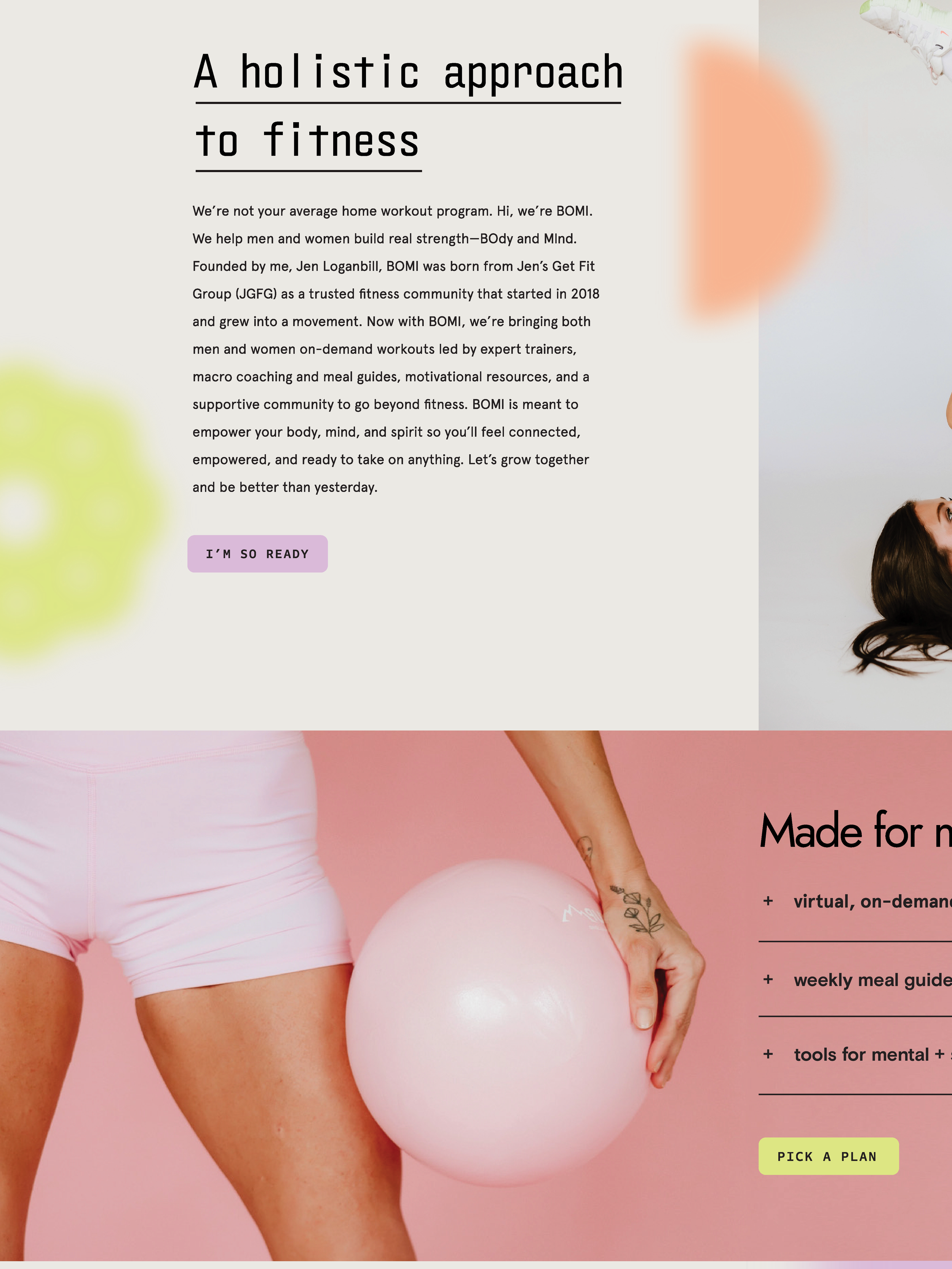
Your website should make it obvious who your services are designed for and who will benefit most from working with you. When you’re able to get specific about who your audience is from the very beginning, it’s going to help the right people recognize themselves in your branding, messaging, site copy, the works. And when the right people feel seen, they’re going to be more interested and keep reading to see if you’re a 10/10 fit to work with them.
3. Is this the kind of service I’m looking for right now?
Nowwww we’re getting into it. After you answer some of the more basic questions, site visitors are going to want to know more specific details about your services to suss out if they should work with you or not. And here’s the thing, not every visitor is at the same stage in their business or ready for the same level of support. Your website should help potential clients quickly determine whether your services align with what they need right now.
A dedicated services page is key here. This is where you can highlight alllllll of your offerings and your approach. Are your services best for established businesses? Do you have dedicated packages? Will you customize a package for each client? Are you more collaborative or more hands-off? Giving people context will help them self-select (aka decide if they’re a good fit to work with you), which saves everyone time — including you.
4. Why should I hire you instead of someone else?
Ultimately, you want your website to scream, “we’re the best,” right? Through intentional design and copy that aligns with your target audience, you can convey that message. With that, you also need to clearly communicate what makes your approach different. I knowwwww, no one likes to look at the competition, but knowing what makes you stand out and differentiate yourself is going to go a long way in helping you craft your message here.
This could be the experience you offer someone, your process, the unique perspective you’re able to offer — you get the picture. Instead of relying on vague buzzwords, showcase what makes you different and what it’d look like to actually work with you. Again, the goal here isn’t to appeal to everyone. It’s to give the right people a reason to choose you.
Further the point with proof that you know what you’re doing. This is where your portfolio, case studies, and testimonials really come into play. Showing real examples of projects you’ve completed gives potential clients confidence in your work and your process overall. It turns your website from someone who says they do this into someone who clearly has experience doing this well.
5. How does this work, step by step?
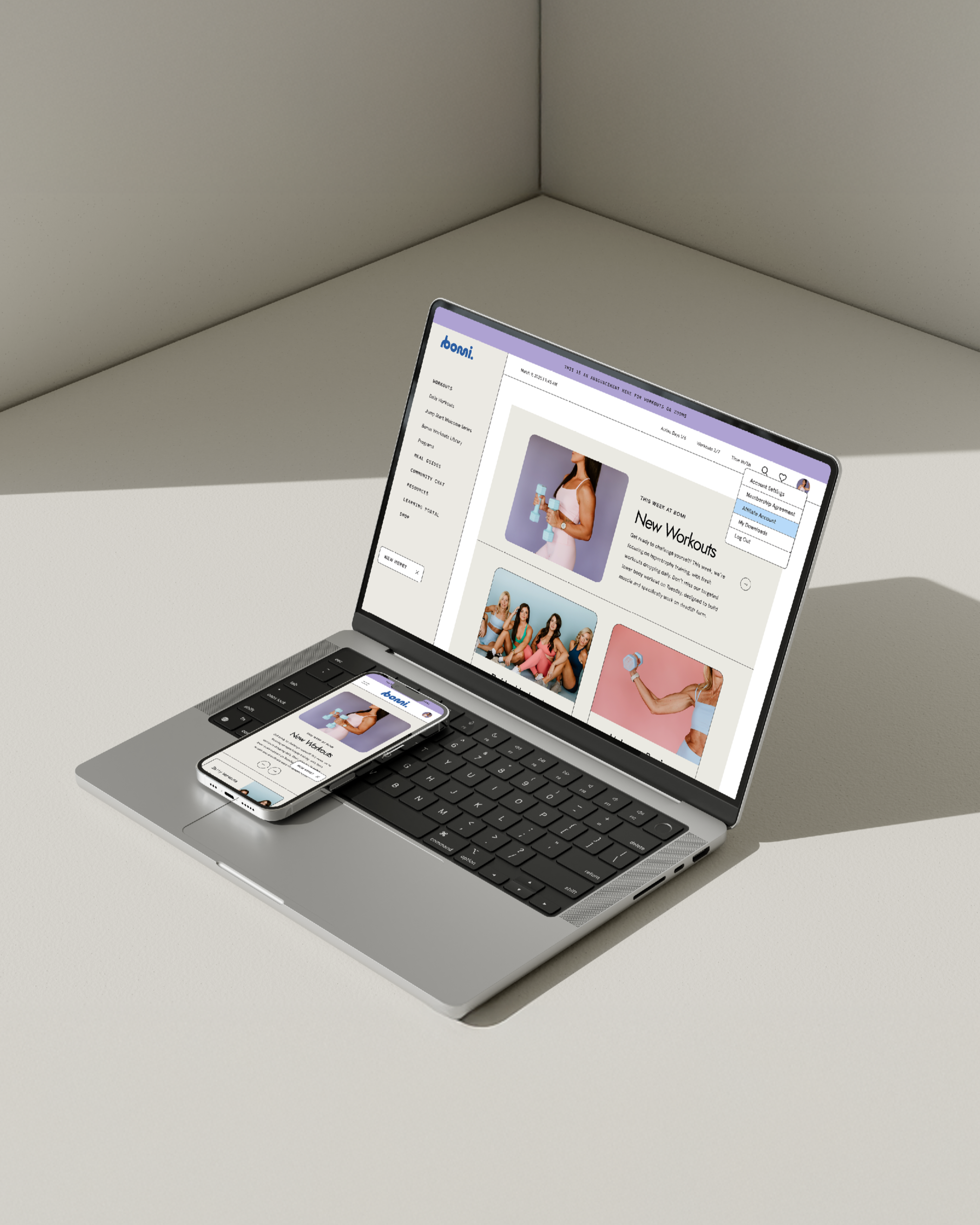
One of the biggest reasons people hesitate to reach out is simple: they don’t know what happens next or what step they’re supposed to take. Outlining your process helps remove that uncertainty. Plus, can further set you apart from the competition if your process includes something totally unique. When a potential client can see how a project flows and what to expect, it instantly makes the experience feel more real (and organized, heyyy). It also signals that you’ve done this before and have a clear system in place, which can help build a ton of trust before they even fill out a contact form or send an email.
On that note, once someone decides they’re interested, your website should make the next step incredibly obvious. At like, every point possible. Whether that’s filling out a contact form, scheduling a discovery call, or reviewing a services guide, there should be a clear and simple next step. The fewer barriers there are between interest and action, the more likely someone is to take that next step.
6. What will I walk away with at the end?
Deliverables matter, but they can vary from project to project. Outcomes are what matter more. Instead of just listing out what’s included in a package, help potential clients understand what changes after working with you. This is where that proof factor comes in again. Highlight past projects, testimonials, and actual case studies that share relevant business wins if you have past clients willing to share those with you. Nothing is going to be a selling point to potential clients more than seeing other people’s wins IRL.
7. What’s the investment?
This one isn’t so black and white if you ask me. There’s a definite gray area depending on what type of services you offer, and I think in some cases, sharing the investment or cost upfront just isn’t the right move. For example, I don’t personally share the investment or even starting costs on my site at all. I let the work my team and I do speak for itself and if it feels like a good fit, I encourage potential clients to reach out for the investment guide. However, I get the appeal and understand that in some cases, sharing the pricing info upfront is key to encouraging someone to reach out to you over the competition. So you do you boo, boo.
With that being said, you don’t necessarily need a full pricing menu on your website, but in some cases, it is nice to let visitors at least get some idea of the investment level. Whether that’s starting prices, package ranges, or a general explanation of how projects are structured, giving context will help you filter inquiries and make sure you’re attracting clients who are aligned with your level of service.
The bottom line
At the end of the day, your website isn’t just there to look good (but hi, that’s important too!) — it’s there to guide, inform, and convert. And a big part of that comes down to the quality of copy on your site and the questions you’re able to answer clearly and quickly. When your website clearly answers the questions your audience already has in mind, you’re able to build trust faster and make it much easier for the right clients to move forward.
Now, pair that kind of clear copy with thoughtful design and strategy, and you’ve got a website that’s not just existing in the void, but that works for your business, too.