5 tips for better client communication (and a smoother project overall)

3/25/26
business
5 tips for better client communication (and a smoother project overall)
spoiler: clear boundaries and intentional communication = happy clients and smoother projects.
PSA from someone who has been there, done that, tried all the things, and learned some hard lessons along the way. Client communication isn’t just a nice-to-have. It’s the backbone for a smooth project. Tiny missteps, unclear expectations, or a “just this one tweak” mindset can spiral into messy timelines, frustrated clients, and burned-out designers.
The fix isn’t people-pleasing your way through projects. It’s building a client experience that does the heavy lifting for you. It’s putting systems in place that turn a chaotic-as-heck client experience into something clear and sustainable, so you can build trust from the start and actually enjoy the process.
Tip 1) Set expectations early
Here’s the thing you might be missing…your client experience starts before they even hit submit on your inquiry form. Disclaimers aren’t meant to scare clients away or be intimidating. They’re about being super clear (while still being kind) and being totally upfront from the start, so the right clients move forward and the wrong ones self-select out.
A few expectations to consider sharing from the jump:
Whether you work with existing logos or partial assets.
Rough timing. Does your calendar fill out months in advance, or do you typically have availability right away?
You take on a limited number of projects each year.
Those small notes can help communicate timeline realities, boundaries, and selectivity. They help save back-and-forth with someone who hasn’t even booked a project with you yet, set professional boundaries without being cold, and also position your service as valuable rather than desperate. Clients who know what to expect are easier to work with and generally more confident in your process.
If you take one thing away from this whole blog post, it’s setting clear expectations throughout the entire process. Seriously, can’t stress it enough. Overcommunication is your friend here.

Tip 2) Include an intro call
I couldn’t encourage an inquiry call enough. It helps open a line of communication, allows you to share pricing, and gives you the opportunity to weed out a client who might not be the best fit before you invest any more time into the process. It helps do some serious heavy lifting. From there, I’m a BIG believer that a quick call before any paperwork is signed is essential. Think of this intro call as a vibe check and expectation setting all rolled into one. (See a common theme here with the expectations, right!?)
During this call, you can:
Get to know them: What’s their story? Why is now the right time? What are they hoping to achieve? How do they pronounce their biz name?
Walk through your process. Clearly explain where they have expectations as the client (for example: feedback windows) and talk through next steps so they know what’s coming.
Spot red flags. Misaligned timelines, unrealistic expectations, or communication styles that might not mesh.
Identity upsell opportunities naturally. Maybe they mention struggling with social media, packaging, or a website that doesn’t convert well.
Tip 3) Create a clear project timeline
Timelines are a non-negotiable part of our process. Loose timelines mean loose boundaries, and that’s where projects start to drag onnnnnnnn. A strong project timeline does more than just list due dates. It establishes momentum, protects your calendar (and sanity), keeps clients engaged and confident in your process, and prevents any dreaded “let’s circle back in a few weeks” energy from even occurring.
A few key things to keep in mind… feedback windows matter. Requiring feedback within a short, defined window keeps the energy and project flowing so you don’t have projects that drag on for literally ever. My personal preference is two business days, but you do you!
Next, spacing matters. Client deliverables should be close enough together to stay top-of-mind, without making you feel rushed. Long gaps kill momentum and can cause the client to lose clarity.
The key takeaway here is that when clients always know what’s coming next and when, the entire experience feels calmer and more professional. And PS, if you’re looking for more info, we have a wholllllle blog post that dives into project timelines even more, OR you can skip a step and just buy our timeline template here!
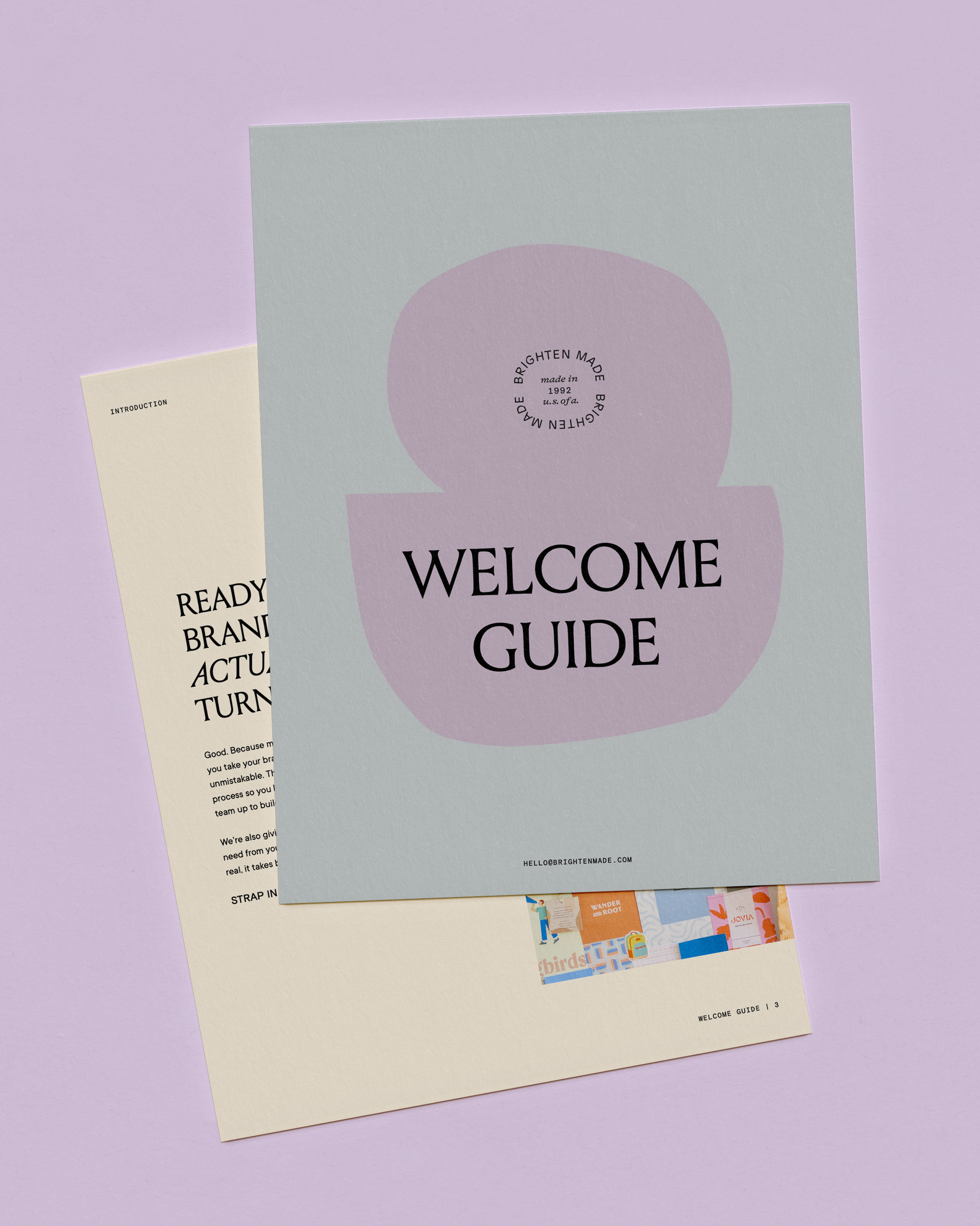
Tip 4) Use a welcome guide
A welcome guide isn’t about dumping information; it’s about reinforcing that ever-so-important clarity. Clients probably won’t remember everything you say on a call. That’s normal, and I get it. Enter: the welcome guide. It supports your communication by outlining the process and expectations in one place, reducing repetitive questions (or that’s the goal at least), and creating consistency.
The point here isn’t that clients read every word, because let’s be honest, that’s probably not going to happen, but that the same information is showing up literally everywhere.
On the inquiry form/page
In your emails
On your call
In your timelines
In your guide
Repetition might feel annoying, but trust me, it’s reassuring to the client and helps you in the long run. The more consistent you are, the fewer misunderstandings you’ll have once the project is in swing.
Tip 5) Back everything up with a solid contract
Your contract isn’t just here to protect you legally — it’s part of your client experience. A clear contract will define the project scope and revision limits, reiterate feedback deadlines and the consequences of missing those, outline payment structure and ownership (legal things, ya know), and protect your time, income, and creative work.
Even with the most amazing clients, having things outlined in a clear way that protects you AND them matters more than trust. A good contract helps to remove the guesswork, eliminates awkward conversations, and allows you to show up confidently as the expert.
The big picture
You don’t have to be rigid or robotic. Great client communication comes down to building systems that support you and your clients first and foremost. When expectations are clear, timelines are set intentionally, not willy-nilly, and boundaries are baked into your full process from day one, clients feel taken care of, and you’re able to maintain control of the project as a whole.